.svg)
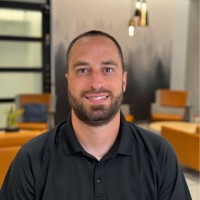
In this episode of the Benefits Broker Boost Podcast, Plansight CMO, Adam Smith, sits down with Donovan Ryckis, CEO and Founder of Ethos Benefits, to talk about a standard most brokers are afraid to put in writing: fiduciary responsibility. Donovan walks through his unconventional path from selling Medicare supplements to running a fee-only benefits agency, why he capped his client roster and sold off 80 percent of his book of business to serve fewer employers better, and why an honest compensation disclosure delivered before renewal, not after, is the fastest way to build trust a competitor cannot undercut. The conversation covers fee-only pay structures, the 408B2 disclosure form, building a company culture that survives its first real test, and why 2026 is shaping up to be a turning point for broker accountability.
Donovan did not come up through the traditional broker path of an internship followed by a slow climb through an agency. He started in financial services selling Medicare supplements, then moved into life insurance, annuities, and 401(k) plans before earning his securities license. It was during that stretch, while the industry was debating a proposed fiduciary rule for financial advisors, that Donovan made a decision that would define his career, telling Adam that “I definitely don’t want to go about this the route everybody else’s, which is commission based and being concerned with being transparent with your clients. If that’s a problem for people, like that’s not something I wanted to do” .
That decision led him to become a Series 65 fiduciary advisor even after the proposed legislation stalled. When a business owner client later asked him to review a 37 percent projected increase in his group health plan, Donovan applied the same fiduciary process he used for retirement plans and beat the increase by several points without raising deductibles or shifting costs to employees. That single case became the foundation for Ethos Benefits.

The core of Ethos’s model is fee-only compensation, which Donovan describes as simpler than most brokers assume. It starts with eliminating anything tied to a percentage of premium, since, as Donovan puts it, “being fee-based for one means, you know, obviously the most obvious thing is getting rid of anything that’s a percentage of premium, because then you’re misaligned in your incentives. You’re getting paid more when your client pays more”.
The second piece is walking away from carrier bonuses tied to retention and premium growth, incentives Donovan says get pushed down from agency leadership regardless of what is actually best for the employer. He has had a carrier appointment canceled twice over the years for moving business away from underperforming plans, and says it was never worth reconsidering the decision. A fee-only consultant can bill a client directly without ever selling the underlying policy, which removes the conflict entirely.
Most agencies now publish some form of compensation disclosure, but Donovan is blunt about how little most of them actually reveal, saying “most of them are complete crap. There’ll be fifteen to twenty pages, and in those fifteen to twenty pages, they won’t actually quantify how much they’re making”.
His recommendation for employers evaluating a broker is to request a 408B2, the same disclosure standard used for 401(k) plans, which requires a direct answer to how much a broker earns, whether that figure changes based on which carrier is recommended, and what bonuses or incentives underlie the recommendation. Donovan’s advice for agency owners who cannot flip their entire revenue model overnight is simpler than it sounds: start with an honest compensation disclosure delivered before renewal, rather than burying it afterward when everyone is fatigued from open enrollment. Brokers focused on building credibility through education and transparency are already ahead of the disclosure most employers are accustomed to.
Adam and Donovan spent a significant part of the conversation discussing how Ethos built a company culture strong enough that employees who left legacy agencies for Ethos became its evangelists. Donovan’s advice starts with writing things down before the company is large enough to need it: “We were very intentional from the start about like documenting our processes, our brand guide, our story, like who’s our best client, how do we best serve them”.
The harder part, he says, is not the documentation itself but the follow-through once employees start watching to see whether leadership actually behaves as the mission statement says it will. Adam connected this to his own experience watching mission statements erode the moment a company acted against them, a dynamic that lines up with how trust is built through consistent behavior rather than perfect answers or a polished statement on the wall.
Perhaps the most counterintuitive part of Donovan’s story is how Ethos grew. Rather than taking on every client that would sign, Ethos put a cap on its minimum account size and sold off 80 percent of its book of business by volume to focus on a smaller group of employers it could serve at a higher level, on the belief that “if you’re working for your ideal client, they start to bring you into other clients”.
That focus freed up time for public speaking, client case studies, and a level of service that turns clients into referral sources on their own. Donovan estimates he still turns away roughly one small employer a week, referring them elsewhere rather than taking on work that pulls focus from the clients Ethos is built to serve. It is a values-driven growth approach that trades short-term revenue for long-term retention and reputation.
When asked what he would tell every CEO and CFO in the country to look for in a benefits plan, Donovan pointed to two forms of alignment. External alignment means understanding exactly how a broker is compensated and whether that compensation structure changes based on which carrier is recommended. Internal alignment means establishing a fiduciary committee within the client organization, similar to a 401(k) committee, bringing together the CEO, CFO, and HR director for quarterly reviews of contracts, claims, and decisions. As Donovan sums it up, “if you do those two things, you’ll start to ask better questions”.
Adam closed by asking what has Donovan most excited about the benefits space heading into 2026. His answer points to a shift already underway: legislation and litigation, including the CAA and a growing number of healthcare lawsuits tied to broker compensation and misaligned incentives, are pushing plan sponsors to ask harder questions than they have in years. Donovan says Ethos is already using that scrutiny in contract negotiation, helping clients secure data ownership, audit rights, and PBM carve-out options that go well beyond negotiating on price alone.
Donovan’s central message is not that fiduciary responsibility is complicated. It is that most of the industry has simply never been asked to prove it. Disclosing compensation honestly, documenting culture before it is tested, and being willing to walk away from clients or carrier relationships that create conflicts of interest are not radical ideas. They are, in Donovan’s words, the floor.
If your agency is ready to spend less time on manual data entry and more time on the strategic conversations Donovan describes, schedule a discovery call with Plansight to see how RFP and renewal automation can free up the hours it takes to build that kind of trust with your clients.
If you haven’t seen Plansight in action and you want to, book a discovery call with us.
At the end of the day, Plansight is more than just an application. It is a partner built with brokerages and their benefits teams in mind. Plansight is the only AI application that manages your benefits renewal and marketing workflow. It brings transparency, consistency, and time savings to every group renewal.
From SmartSheetingAI™ to RFP automation to side-by-side comparisons to the intelligence of PlansightAI™, everything we create is designed to lighten the load, reduce risk, and elevate your client relationships. Your team is your greatest asset, and Plansight is here to make sure they have the tools, insights, and support to shine.
Plansight works alongside leading General Agencies to help brokers move faster, stay compliant, and deliver a better client experience. You can explore our trusted GA partners here.
For brokers, Plansight transforms a manual, time-consuming RFP workflow into one that is faster, more efficient, and more profitable, without sacrificing accuracy or control.